SPECIALTY CLINICAL GUIDE
Cryo Therapy
Cryo Therapy at JD Clinic in Gangnam, Seoul — controlled cooling used to soothe skin and settle treatment-related warmth, who should avoid cold, and why it is not fat freezing.
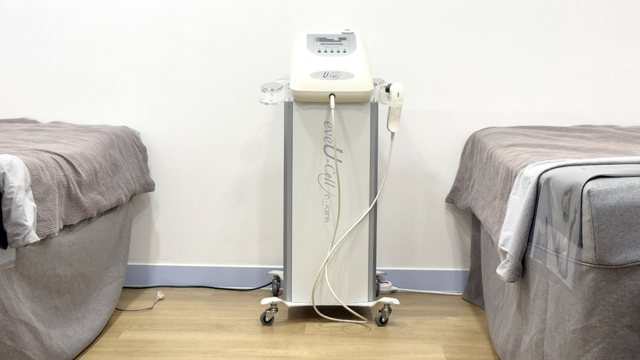
Cryo Therapy at JD Clinic in Gangnam, Seoul is a cold-based treatment that applies controlled cooling to the skin or treatment area.
Cryo Therapy
Medically reviewed by Dr. Jin-Woo Doh, Representative Director, JD Clinic, Gangnam, Seoul, and Hyunseon Kee, Director, JD Clinic
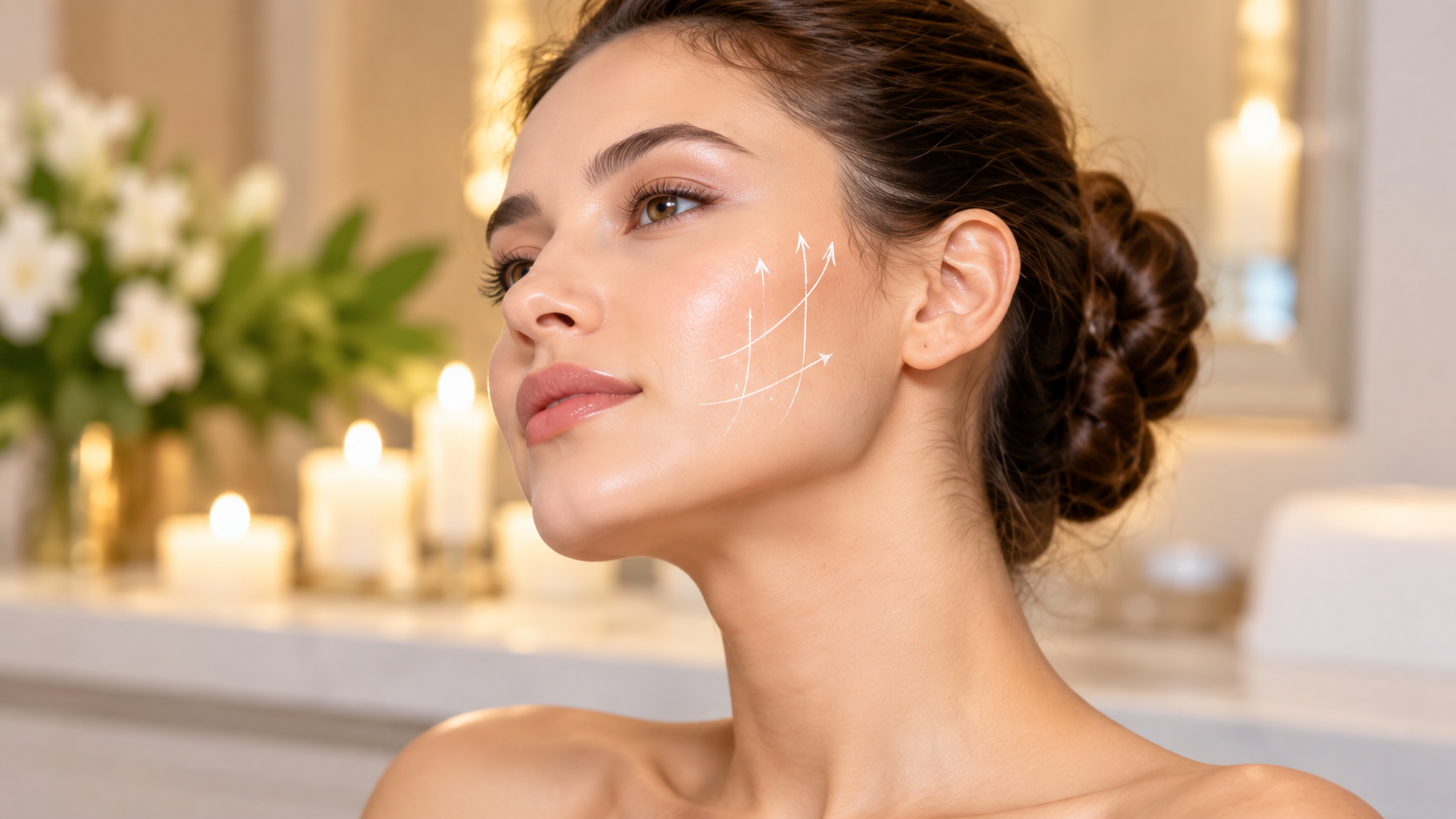
Cryo Therapy at JD Clinic in Gangnam, Seoul is a cold-based treatment that applies controlled cooling to the skin or treatment area. In aesthetic skin care, cooling is used to provide a soothing effect, reduce temporary discomfort, and support skin recovery after other treatments. That is a modest and specific role, and it is worth stating plainly at the outset, because the word "cryo" is attached to several quite different procedures and the clinic's own records are explicit that they should not be presented as equivalent.
JD Clinic's doctor mapping is recorded at the specialty level, so this page names the doctors who direct care for this treatment area rather than claiming that one named doctor personally carries out every individual session.
What Is Cryo Therapy?
Controlled cooling is applied to an area of skin, and the skin's temperature is brought down in a managed way.
The mechanism. Controlled cooling applied to the skin or treatment area.
The purpose. A soothing effect, reduced temporary discomfort, and support for skin recovery after treatments that leave the skin warm, red or sensitive.
The sensation. Cold, tingling, numbness, pressure or temporary discomfort, with intensity depending on the technology and the cooling level.
Anaesthesia. Generally not required for superficial cooling treatments.
Recovery. Generally minimal for superficial cooling used as skin care.
What it is not. The clinic's records state that this should not be described as a permanent skin-tightening or fat-reduction treatment unless the specific technology used supports that claim, and that if the goal is localised fat reduction, cryolipolysis is a different technology that should not be presented as equivalent to superficial cryo therapy. Those are two distinct procedures that share a prefix. The clinic's approved-claims note draws the same line: appropriate claims focus on controlled cooling, skin soothing and temporary cooling-related comfort, and avoid permanent lifting, guaranteed rejuvenation, fat reduction or treatment of medical conditions unless the technology and documentation support them.
There is a third thing the word can mean in a medical setting, and knowing it exists helps a patient ask the right question. The American Society for Dermatologic Surgery describes cryotherapy applied to the skin as using controlled freezing to destroy targeted skin cells for defined indications such as skin growths and age spots, with recognised risks including blistering, pigment loss and scarring. That is a treatment with a clinical target, not a soothing step, and it is not what this page describes.
Who Performs Cryo Therapy at JD Clinic

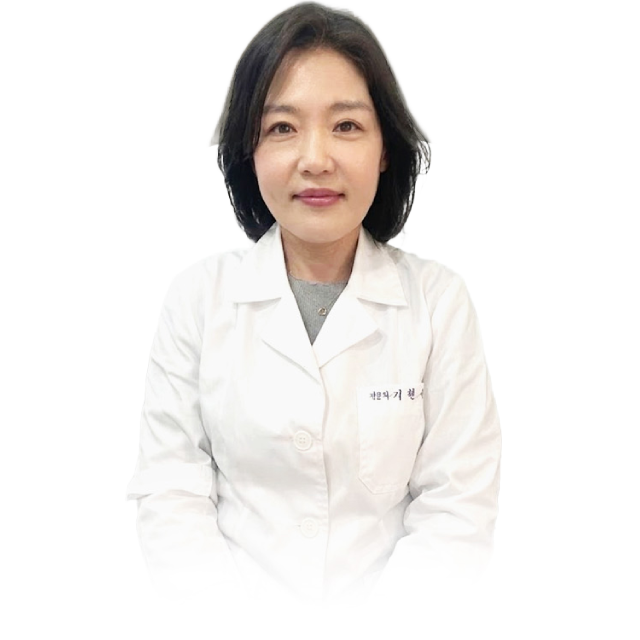
Dr. Jin-Woo Doh
Representative Director of JD Clinic
Dr. Hyunseon Kee
Director of JD Clinic
Care in this treatment area is directed by Dr. Jin-Woo Doh, Representative Director of JD Clinic, and Hyunseon Kee, Director.
Dr. Doh graduated from Seoul National University College of Medicine and serves as a Guest Professor at Seoul National University Hospital. Skin rejuvenation is among his listed core specializations.
Hyunseon Kee is a Director at JD Clinic whose listed areas are aesthetic plastic surgery, aesthetic procedures and laser-based aesthetic treatments. She is a full member of the Korean Society of Aesthetic Plastic Surgery, the International Society of Aesthetic Surgery, and the Korean Society of Aesthetic Plastic Surgery and Laser. Dr. Doh is additionally a full member of the Korean Society of Aesthetic Surgery and the Korean Society for Obesity Treatment.
JD Clinic has not provided licence or board-status records for either doctor, so none is claimed here, and no educational institution is attributed to Hyunseon Kee because the clinic's records do not state one.
Before treatment the provider should review skin condition, treatment concerns, medical history, sensitivity to cold, and any recent aesthetic procedures, and determine the treatment area and cooling intensity from that. Sensitivity to cold is the item on that list that patients most often have information about and least often think to volunteer — a history of hives in cold weather, fingers that blanch, or a previous bad reaction to an ice pack are all relevant, and none of them is visible.
The clinic's records mark the technology and the clinic-specific technique as requiring confirmation, so this page does not name a device or describe a protocol. Given how much the appropriate expectation depends on which technology is in use, asking what the device is and what it is being used for is a reasonable opening question rather than a technical one.
Who Is a Good Candidate for Cryo Therapy?
Patients who need a cooling or soothing skin-care treatment
People experiencing temporary warmth or sensitivity after certain aesthetic procedures
Those looking for cooling as part of a general skin-conditioning programme
Anyone for whom the goal is comfort rather than a structural change
Treatment may need to be avoided or postponed by:
People with cold sensitivity or cold-induced skin reactions
Anyone with Raynaud's phenomenon, or impaired sensation or circulation, without medical assessment first
Patients with open wounds, active skin lesions or significantly irritated skin in the area
Anyone with a condition that can be aggravated by cold
Two of those are worth a word each. Raynaud's phenomenon is common enough that people often do not think of it as a medical condition at all, and reduced sensation — from a nerve problem, from diabetes, or from a recent procedure that numbed the area — matters because sensation is part of how excessive cooling is noticed before it does harm.
What to Expect: Procedure, Recovery, and Results Timeline
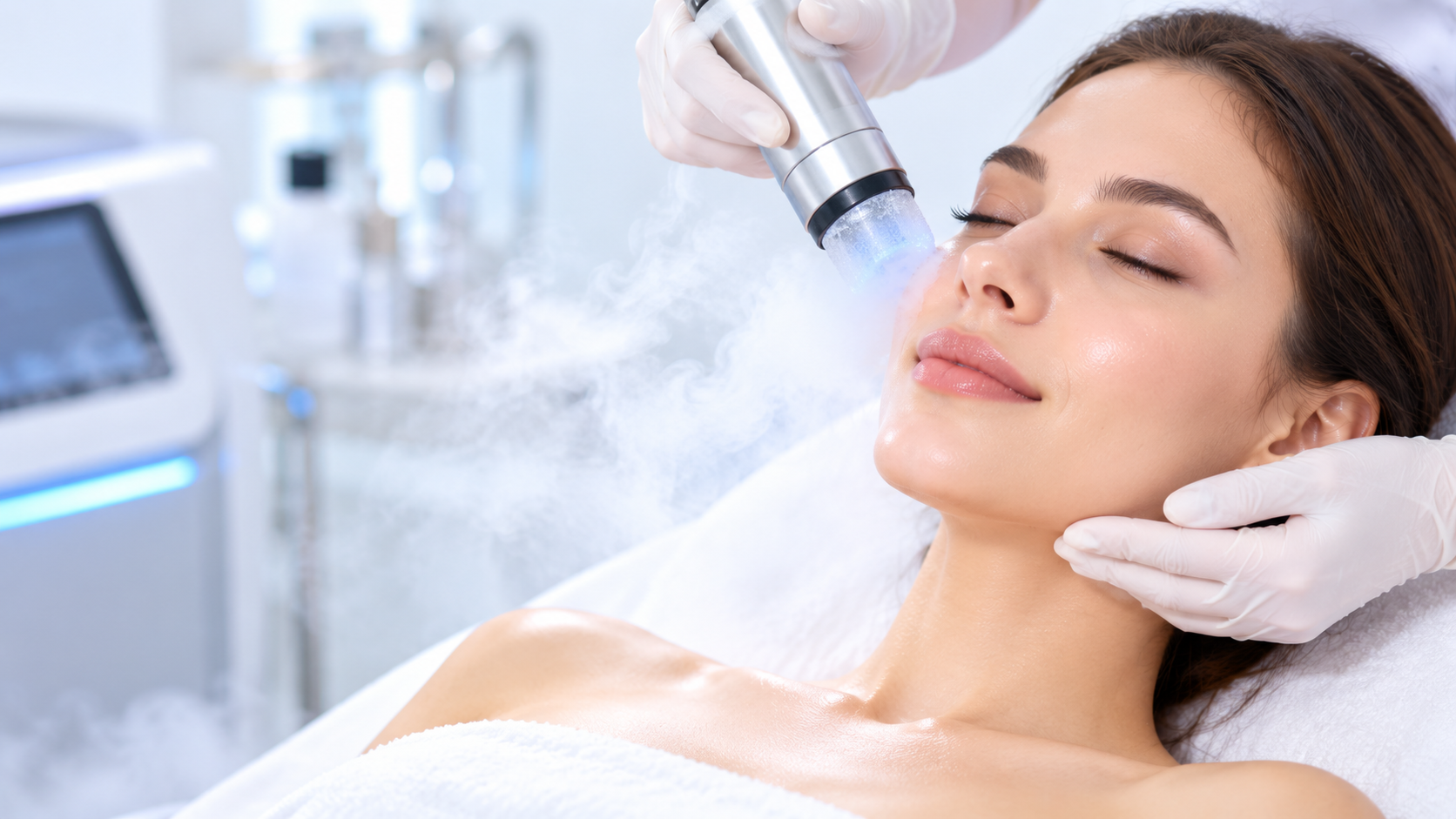
The clinic's records leave the step-by-step sequence blank for this treatment, so this page does not invent one. What is documented is the assessment beforehand, the sensation, the aftercare and the limits of what to expect.
Stage
What happens
Timing
Assessment
Skin condition, cold sensitivity, history, recent procedures
Before treatment
Treatment
Controlled cooling to the chosen area and intensity
Not stated in the records
Sensation
Cold, tingling, numbness, pressure or temporary discomfort
During
Effect
Cooling and soothing noticed during or shortly after
Immediate
Recovery
Generally minimal for superficial cooling
Skin returns to normal temperature
Duration of effect
Depends on the purpose and the technology used
Not fixed
Two inconsistencies in the clinic's records belong here rather than in a footnote. Its procedure profile describes recovery for superficial cooling as generally minimal, while its patient FAQ answers the recovery question with "recovery takes a day". And the risks field for this treatment is left blank while the FAQ lists possible effects — temporary redness, swelling, numbness, tenderness, discomfort, bruising or skin-colour changes. This page reports both sides rather than choosing, and the practical course is to ask which applies to the specific treatment being offered.
Temporary numbness or redness may occur and should resolve as the skin returns to its normal temperature. Afterwards, let the skin warm naturally, avoid applying excessive heat or rubbing the area aggressively while it remains sensitive, use gentle skincare, and follow any additional instructions from the clinic.
The pre-treatment preparation field is also blank in the clinic's records, so this page does not invent instructions. What the FAQ does say is what to tell the provider: cold sensitivity, Raynaud's disease, circulation problems, reduced skin sensation, previous reactions to cold, medical conditions, medications and recent aesthetic procedures.
Cryo Therapy alone generally does not require a prolonged stay in Korea, particularly where it is used as a low-downtime skin-care treatment, though the recommended stay depends on the exact technology and on whether other procedures are performed at the same time. Where it is a simple cooling treatment and there are no complications, travel soon afterwards may be possible. The clinic operates a 24-hour post-treatment feedback system, and English-language aftercare is available through remote follow-up consultation and ongoing channels such as email and messaging once a patient has returned home.
Combining Cryo Therapy with Other Treatments
The clinic's records mark combination procedures for this treatment as requiring confirmation, so this page does not describe a specific pairing. What the records do establish is the context in which cooling is most often used — after treatments that leave the skin warm, red or sensitive — which is itself a form of combination, and which is why recent procedures are part of the assessment.
Depending on the treatment goal, alternatives may include soothing masks, LED-based skin care, LDM, aqua peeling, skin boosters, or other post-treatment skin-care procedures. If the goal is localised fat reduction, that is a different technology with a different evidence base, and the clinic's own note says it should not be presented as equivalent. More about the clinic and its team is on the JD Clinic about page.
Safety, Precision, and Clinic Standards
JD Clinic has been registered since 2023 as a Registered Medical Institution for Attracting Foreign Patients, certified by the Ministry of Health and Welfare in compliance with the Medical Overseas Expansion and Foreign Patients Attraction Act. The clinic's business registration number is 530-11-00701.
The clinic's stated quality-control process is individualised medical assessment rather than device-led selection, with treatment that is not needed avoided rather than added. Consultation and treatment are physician-led. Its records mark a specific risk-reduction process for this treatment as requiring confirmation, so this page does not describe one.
The safety considerations that matter with cold are about dose and about sensation. Controlled contact-cooling systems are specifically designed to manage discomfort while reducing the risk of excessive cooling, which is the clinic's own description and also an explanation of why a clinical device and a home ice pack are not interchangeable. Patients with known cold sensitivity or circulation problems should not proceed without medical assessment, and treatment should not be carried out over open wounds, active skin lesions or significantly irritated skin.
The evidence baseline for skin in general sits underneath all of this: the American Academy of Dermatology's baseline for healthy-looking skin is daily broad-spectrum sunscreen, gentle cleansing rather than scrubbing, and products matched to the skin type. A soothing treatment supports that routine; it does not replace it.
The American Academy of Dermatology advises anyone considering a cosmetic treatment to establish who will perform it, ask about their experience with that specific procedure, and discuss the risks and the realistic expected result before agreeing to anything. Here the realistic expected result is comfort and settling, and a clinic that describes it that way is being accurate rather than underselling.
English-language support is provided by a dedicated international patient coordinator, Cheon Seung-yeon, Team Manager, on weekdays from 09:30 to 19:00, with Korean and Japanese coordination also available.
The Bottom Line
Controlled cooling used to soothe skin and settle treatment-related warmth or sensitivity.
The clinic's records place the emphasis on comfort, not on tightening or fat reduction.
Cold sensitivity, Raynaud's phenomenon and impaired circulation or sensation need assessment first.
Several treatments share the "cryo" prefix and are not equivalent — ask which is being offered.
Duration, preparation and risk details are not stated in the records; ask for them.
Frequently Asked Questions
Who is a good candidate for Cryo Therapy?
It depends on the type of cryo therapy being used. For superficial cooling or skin-care purposes, it may be considered for patients seeking cooling, soothing, or temporary relief of treatment-related warmth or discomfort.
Who should avoid or postpone treatment?
Patients with cold sensitivity disorders, poor circulation in the treatment area, open wounds or lesions, or conditions that can be aggravated by cold may need to avoid or postpone. Raynaud's phenomenon and reduced skin sensation both call for medical assessment first.
How long does it take, and is it painful?
Treatment time depends on the type of cryo therapy, the treatment area and the device, and there is no single duration that applies to all of them. Patients may feel cold, tingling, numbness, pressure or temporary discomfort during cooling, with intensity depending on the technology and cooling level.
How long should I stay in Korea, and when can I fly home?
It generally does not require a prolonged stay, particularly as a low-downtime skin-care treatment, though the recommendation depends on the technology and on any other procedures performed at the same time. Where it is a simple cooling treatment without complications, travelling soon afterwards may be possible.
When will I see results, and how long do they last?
Cooling and soothing effects may be noticed during or shortly after treatment. How long they last depends on the purpose of the treatment and the technology used, and where it is supportive skin care the results should not be presented as permanent.
What are the common side effects?
Possible effects include temporary redness, swelling, numbness, tenderness, discomfort, bruising or skin-colour changes. Temporary numbness or redness should resolve as the skin returns to its normal temperature.
Is this the same as fat freezing?
No. Cryolipolysis is a different technology with a different purpose, and the clinic's own records say the two should not be presented as equivalent. Where fat reduction is the goal, that is a separate conversation about a separate procedure.
Does JD Clinic publish a price for Cryo Therapy?
JD Clinic does not publish treatment prices for this market; a quotation is given after an individual consultation. Since cooling is often used alongside another treatment, ask how it is priced in that context rather than on its own.
Book a Consultation at JD Clinic
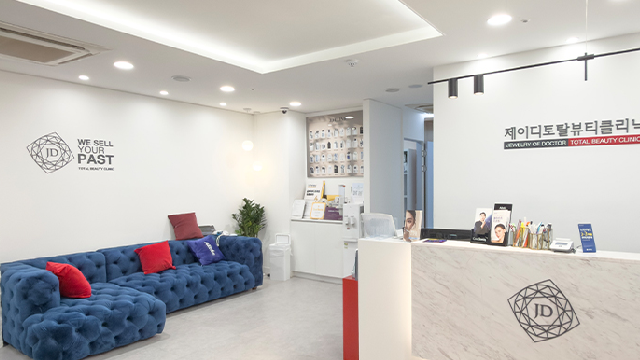
If what you want is settling and comfort — for skin that runs hot, or after a treatment that left it warm — this is the category aimed at that. JD Clinic is located at B2, 616 Gangnam-daero, Gangnam-gu, Seoul, Republic of Korea, and can be reached on +82-2-523-7581 or through the clinic's contact page. Consultations run Monday to Thursday from 09:30 to 19:00, Friday until 21:00 and Saturday until 16:00, with a lunch break on weekdays from 13:00 to 14:00.
International patients can start with an online enquiry through the JD Clinic contact page, and an English-speaking coordinator will follow up.
Disclaimer
This page is for general information only and is not medical advice, a diagnosis, or a treatment recommendation. Outcomes differ from person to person, and whether any treatment is appropriate for you can only be decided in a consultation with a qualified doctor.
Sources & Further Reading
Cryosurgery — American Society for Dermatologic Surgery
10 skin care secrets for healthier-looking skin — American Academy of Dermatology
Best questions to ask when considering a cosmetic treatment — American Academy of Dermatology
Important Clinical & Safety Notice
Individual results may vary depending on personal health conditions. Potential side effects such as swelling, bruising, or inflammation may occur; please consult thoroughly with your specialist prior to treatment.
CLINICAL STANDARDS
Precision Diagnosis, Direct Specialist Care & Recovery Protocol
1:1 Anatomical Planning
Tailored clinical protocols based on thorough anatomical evaluation and 1:1 specialist consultation.
Certified Safety & Sterilization
Strict aseptic protocols and continuous vital monitoring throughout every stage of your procedure.
Structured Recovery & Follow-Up
Dedicated post-procedure care and scheduled follow-ups for a smooth, confident recovery.
START YOUR CARE JOURNEY
Experience Personalized Medical Excellence at JD Clinic
Book your private consultation today and discover care tailored around you.