SPECIALTY CLINICAL GUIDE
Tixel Resurfacing (Pigment/Scar)
Tixel resurfacing for pigment and scars at JD Clinic in Gangnam, Seoul — thermomechanical heat for pores, pigmentation and acne scars, a 20-minute session and a 2–4 day recovery.
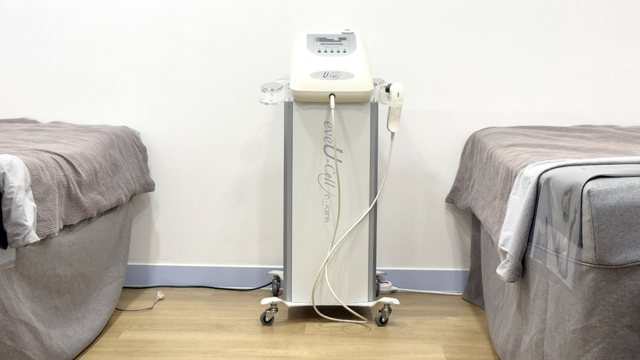
Tixel is a heat-based resurfacing treatment that uses a heated titanium tip — thermo-mechanical action rather than radiofrequency or laser energy — to deliver controlled heat directly to the skin surface.
Tixel Resurfacing (Pigment/Scar)

Medically reviewed by Dr. Jin-Woo Doh, Representative Director, JD Clinic, Gangnam, Seoul, and Hyunseon Kee, Director, JD Clinic
Tixel is a heat-based resurfacing treatment that uses a heated titanium tip — thermo-mechanical action rather than radiofrequency or laser energy — to deliver controlled heat directly to the skin surface. At JD Clinic in Gangnam, Seoul this version of the treatment is aimed at pigment and scar concerns: enlarged pores, pigmentation, acne scars, fine lines, and overall texture and elasticity. Because it is neither a laser nor a needle-based treatment, it reaches delicate areas such as the under-eye and neck that some other devices avoid.
JD Clinic's doctor mapping is recorded at the specialty level, so this page names the doctors who direct care for this treatment area rather than claiming that one named doctor personally carries out every individual session.
What Is Tixel Resurfacing for Pigment and Scars?
Heat is transferred by direct contact through a heated titanium tip, stimulating collagen production and skin remodelling.
No laser, no needles. The mechanism is thermo-mechanical heat transfer.
The targets here are tone and texture — pores, pigmentation, acne scars, fine lines, elasticity.
Intensity and depth are adjusted to skin type rather than set uniformly.
Anaesthetic cream is used, and the treatment takes approximately twenty minutes.
Recovery is stated at roughly two to four days, with mild redness and possible light scabbing.
The clinic's supported claims are that Tixel is used for enlarged pores, pigmentation and acne scars, uses thermal-energy technology delivered to the skin surface, produces effects related to collagen production and skin remodelling, and can have its intensity and depth adjusted by skin type — with redness and scabbing possible.
Who Performs Tixel Resurfacing at JD Clinic

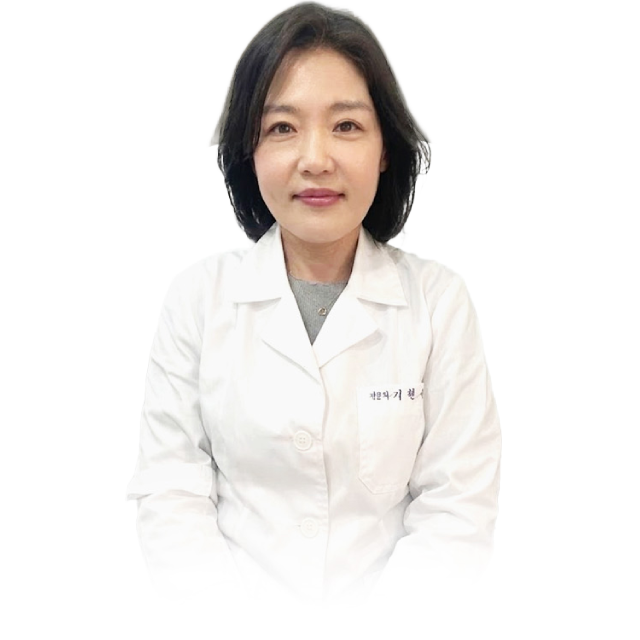
Dr. Jin-Woo Doh
Representative Director of JD Clinic
Dr, Hyunseon Kee
Director of JD Clinic
Care in this treatment area is directed by Dr. Jin-Woo Doh, Representative Director of JD Clinic, and Hyunseon Kee, Director.
Dr. Doh graduated from Seoul National University College of Medicine and serves as a Guest Professor at Seoul National University Hospital. Pigmentation, pores and scar treatments are named among his core specializations. The clinic's own description of this treatment identifies oversight by its director with those credentials, alongside heat intensity and depth personalised to each patient's skin type rather than a one-size-fits-all setting.
Hyunseon Kee is a Director at JD Clinic whose listed areas are aesthetic plastic surgery, aesthetic procedures and laser-based aesthetic treatments. She is a full member of the Korean Society of Aesthetic Plastic Surgery, the International Society of Aesthetic Surgery, and the Korean Society of Aesthetic Plastic Surgery and Laser. Dr. Doh is additionally a full member of the Korean Society of Aesthetic Surgery and the Korean Society for Obesity Treatment.
JD Clinic has not provided licence or board-status records for either doctor, so none is claimed here, and no educational institution is attributed to Hyunseon Kee because the clinic's records do not state one.
JD Clinic describes its approach as assessing skin thickness, the degree of laxity and facial structure before selecting a device, then targeting the intended tissue layer with the minimum number of passes needed rather than applying one fixed setting to every patient.
Who Is a Good Candidate for Tixel Resurfacing?
People with enlarged pores or mild pigmentation and uneven tone
Those with acne scarring, fine lines or early wrinkles
Patients with mild skin laxity, including in delicate areas such as the under-eye and neck
Anyone who can commit to the moisturising and soothing aftercare routine
Patients who can stay for the clinic's recommended follow-up window
Treatment is not appropriate for:
Anyone with active skin infection or inflammation in the treatment area
Patients with active acne breakouts
Patients who are pregnant, per the clinic's protocol
Anyone expecting ablative-laser-level results from a single session
Those who cannot follow the aftercare routine or stay for follow-up
The last three items are the clinic's own, and they are unusually frank. A treatment whose result depends on aftercare and on a course of sessions is one where an honest conversation about expectations is part of the safety profile, not an addendum to it.
The breadth of what this treatment addresses is worth reading carefully rather than as a selling point. Pores, pigmentation, acne scars and fine lines are four different problems, and a single device setting does not serve all four equally well. In practice the plan is built around whichever concern leads, with the others improving to the extent that the same settings happen to help them. Naming your single most important concern at consultation produces a better plan than listing everything you would like to see improve — and it also produces a clearer standard against which to judge the result afterwards.
What to Expect: Procedure, Recovery, and Results Timeline
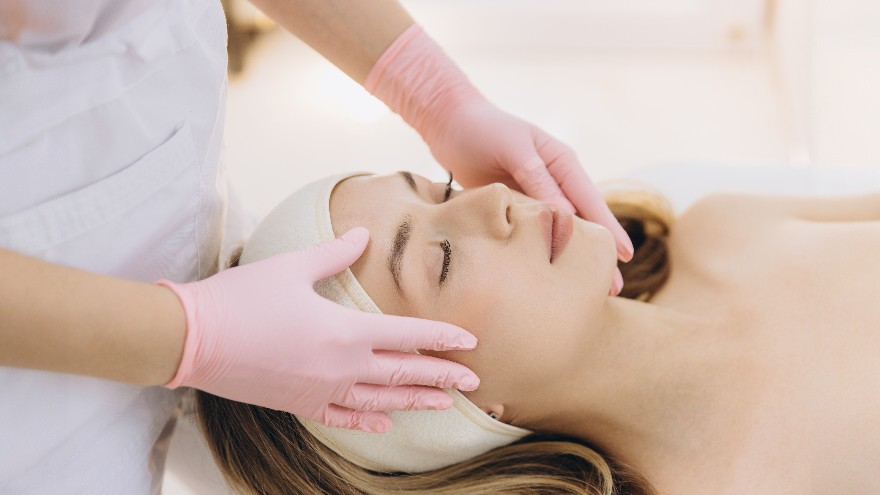
For international patients the clinic describes an online pre-consultation with photographs before travel, then in-person skin analysis on arrival, a medical history and skin-condition review, informed consent and "before" photography, a heat intensity and depth plan set for the patient's skin type, and scheduling aligned to the travel dates.
On the day: cleanse the skin; apply topical anaesthetic cream for about twenty minutes; remove the cream and re-cleanse; pass the heated tip over the treatment area at the planned intensity and depth; apply a soothing or cooling gel or mask; apply sunscreen and review aftercare; discharge the same day.
Stage
What happens
Timing
Numbing
Topical anaesthetic cream
About 20 minutes
Treatment
Heated tip passed over the area
About 20 minutes
Day 0
Mild redness or a warm sensation
Immediately
Days 1–4
Redness and possible light scabbing
The recovery window
Results
Build as collagen remodels
Over the course
Maintenance
Stated period
2–3 months
Retreatment
Stated interval
Monthly
A topical numbing cream is applied first, so most patients describe brief warmth rather than sharp pain, and the treatment is generally described as lower-pain because it is neither a laser nor needle-based. Scabs and redness are common afterwards, and patchy or uneven marks can occur if the moisturising, soothing and irritation-avoidance routine is not followed closely — which is the clearest possible argument for following it.
Before treatment, avoid retinoids and strong exfoliants for about a week, avoid sun exposure and tanning, arrive with clean, makeup-free skin, and disclose skin conditions and medications. Afterwards, avoid irritating the area and focus on soothing and moisturising care.
The clinic lists approximately two to four days, and asks international patients to discuss their itinerary and return-flight date before booking and to confirm whether additional recovery time is recommended. The clinic operates a 24-hour post-treatment feedback system, and English-language aftercare is available through remote follow-up consultation and ongoing channels such as email and messaging once a patient has returned home.
Combining Tixel Resurfacing with Other Treatments
Combining this treatment with other lasers, energy devices, peels, injectables or resurfacing treatments should be determined by the treating doctor based on skin condition and recovery requirements. The recovery window is the binding constraint, and for a treatment whose result depends on undisturbed healing it should be respected rather than compressed.
The clinic itself contrasts Tixel with laser treatment, describing it as a thermal energy-delivery treatment rather than a laser, with relatively low skin irritation and short downtime. It also states clearly that this is not positioned as a substitute for ablative laser where a deeper result is what a patient needs. More about the clinic and its team is on the JD Clinic about page.
Safety, Precision, and Clinic Standards
JD Clinic has been registered since 2023 as a Registered Medical Institution for Attracting Foreign Patients, certified by the Ministry of Health and Welfare in compliance with the Medical Overseas Expansion and Foreign Patients Attraction Act. The clinic's business registration number is 530-11-00701.
The clinic's stated quality-control process is individualised medical assessment rather than device-led selection, with treatment that is not needed avoided rather than added. Consultation and treatment are physician-led. For this treatment specifically, the clinic identifies heat intensity and depth precisely adjusted to skin type as what minimises irritation while still improving the concern.
Resurfacing risk scales with intensity, and the class guidance is clear. The American Society of Plastic Surgeons describes skin resurfacing and rejuvenation as a medical procedure whose risks include burns, scarring, delayed wound healing, textural change and pigmentation irregularities, and states that absolute sun protection is needed for the first year afterwards to prevent irregular pigmentation. That is a longer commitment than the recovery window implies, and on a treatment aimed at pigment it is also the thing most likely to determine whether the result holds.
For pigment specifically, the American Society for Dermatologic Surgery describes hyperpigmentation treatment as starting with daily sunscreen and topical brightening agents, with peels, microdermabrasion, intense pulsed light or lasers added if needed — and lasers used with care in darker skin tones. For scarring, the American Academy of Dermatology describes acne scarring as treated with an individualised plan that may combine laser resurfacing, microneedling, radiofrequency microneedling, chemical peels, fillers or scar surgery, with active acne controlled first and sun protection used before peels to prevent post-procedure discolouration.
English-language support is provided by a dedicated international patient coordinator, Cheon Seung-yeon, Team Manager, on weekdays from 09:30 to 19:00, with Korean and Japanese coordination also available.
The Bottom Line
Heat delivered by a heated titanium tip — not a laser, not needles — for pores, pigment and acne scars.
About twenty minutes of treatment after twenty minutes of numbing cream.
Recovery of roughly two to four days, with redness and possible light scabbing.
Results build over a course; maintenance is two to three months with monthly retreatment.
Aftercare is not optional here — patchy marks are specifically linked to skipping it.
Frequently Asked Questions
Who is a good candidate for this treatment?
Patients with enlarged pores, mild pigmentation, acne scarring, fine lines or mild skin laxity — including in delicate areas such as the under-eye and neck. The clinic describes the treatment's safety profile as covering a broad range of skin types, though intensity and depth are still set individually.
Who should avoid or postpone treatment?
Anyone with an active skin infection or inflammation in the treatment area, anyone with active acne breakouts, and patients who are pregnant per the clinic's protocol. It is also unsuitable for anyone expecting ablative-laser-level results in one session, or unable to follow the aftercare routine or stay for the recommended follow-up.
How long does it take, and is it painful?
The procedure itself takes about twenty minutes, with anaesthetic cream applied for roughly twenty minutes beforehand. Most patients describe brief warmth rather than sharp pain, and the treatment is generally described as lower-pain because it uses neither a laser nor needles.
What should I plan for travel around this treatment?
The clinic lists approximately two to four days and asks international patients to discuss their itinerary and return-flight date before booking. Because redness and scabbing may occur, ask the clinic to confirm whether your planned flight date is appropriate and whether additional recovery time is recommended.
What is recovery like?
Mild redness and possible light scabbing over roughly two to four days. Avoid irritating the treated area and focus on soothing and moisturising care — patchy or uneven marks can occur if that routine is not followed closely, which is the clinic's own stated reason for emphasising it.
When will I see results?
Results build gradually as collagen remodels rather than appearing after one session. The clinic lists a maintenance window of two to three months with retreatment at monthly intervals, so a course is what produces the change this treatment is capable of.
What should I avoid before treatment?
Avoid retinoids and strong exfoliants for about a week beforehand, and avoid sun exposure and tanning. Arrive with clean, makeup-free skin, and disclose skin conditions, medications, recent aesthetic treatments and any active irritation or inflammation.
Does JD Clinic publish a price for this treatment?
JD Clinic does not publish treatment prices for this market; a quotation is given after an individual consultation. Because results depend on a course rather than a session, the course is the useful thing to price.
Book a Consultation at JD Clinic
If pores, pigment and scarring are all part of the picture and you would rather avoid a laser, a thermomechanical approach is worth discussing — along with the aftercare it depends on. JD Clinic is located at B2, 616 Gangnam-daero, Gangnam-gu, Seoul, Republic of Korea, and can be reached on +82-2-523-7581 or through the clinic's contact page. Consultations run Monday to Thursday from 09:30 to 19:00, Friday until 21:00 and Saturday until 16:00, with a lunch break on weekdays from 13:00 to 14:00.
International patients can start with an online enquiry through the JD Clinic contact page, which is where the pre-travel photo consultation begins.
Disclaimer
This page is for general information only and is not medical advice, a diagnosis, or a treatment recommendation. Outcomes differ from person to person, and whether any treatment is appropriate for you can only be decided in a consultation with a qualified doctor.
Sources & Further Reading
Skin Rejuvenation Risks and Safety — American Society of Plastic Surgeons
Hyperpigmentation — American Society for Dermatologic Surgery
Acne scars: Consultation and treatment — American Academy of Dermatology
What can treat large facial pores? — American Academy of Dermatology
Important Clinical & Safety Notice
Individual results may vary depending on personal health conditions. Potential side effects such as swelling, bruising, or inflammation may occur; please consult thoroughly with your specialist prior to treatment.
CLINICAL STANDARDS
Precision Diagnosis, Direct Specialist Care & Recovery Protocol
1:1 Anatomical Planning
Tailored clinical protocols based on thorough anatomical evaluation and 1:1 specialist consultation.
Certified Safety & Sterilization
Strict aseptic protocols and continuous vital monitoring throughout every stage of your procedure.
Structured Recovery & Follow-Up
Dedicated post-procedure care and scheduled follow-ups for a smooth, confident recovery.
START YOUR CARE JOURNEY
Experience Personalized Medical Excellence at JD Clinic
Book your private consultation today and discover care tailored around you.