SPECIALTY CLINICAL GUIDE
truSculpt iD Eye Area
truSculpt iD for the eye area at JD Clinic in Gangnam, Seoul — a 20–30 minute treatment for mild periocular laxity and fine lines, 1–3 day recovery, and what to confirm about the device.
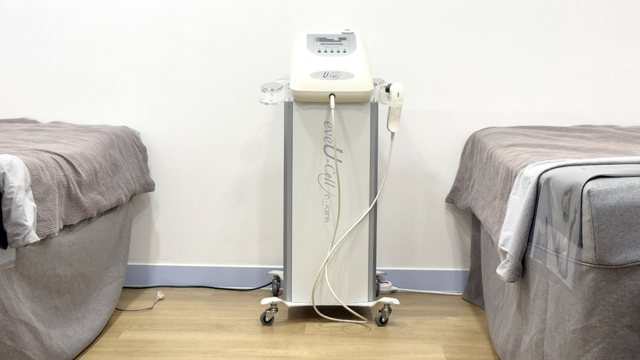
truSculpt iD Eye Area is described by JD Clinic in Gangnam, Seoul as a non-surgical eye-area treatment that heats targeted tissue around the eyes with radiofrequency energy to support tightening and improve the appearance of lax or ageing skin.
TruSculpt iD Eye Area

Medically reviewed by Dr. Jin-Woo Doh, Representative Director, JD Clinic, Gangnam, Seoul
truSculpt iD Eye Area is described by JD Clinic in Gangnam, Seoul as a non-surgical eye-area treatment that heats targeted tissue around the eyes with radiofrequency energy to support tightening and improve the appearance of lax or ageing skin. Patients from the United States come to it for early signs of ageing around the eyes — fine lines, crepey texture, mild laxity — when they want a short appointment and limited downtime.
JD Clinic's doctor mapping is recorded at the specialty level, so this page names the doctors who direct care for this treatment area rather than claiming that one named doctor personally carries out every individual session.
What Is truSculpt iD Eye Area Treatment?
There is one thing to establish before anything else on this page, and it is worth stating plainly rather than burying.
The clinic's records describe two different things. One field describes radiofrequency energy heating targeted tissue; another describes the session as using "micro-frequency needles" to lift the eye area precisely.
The technology field itself is marked as requiring clinic confirmation, so this page does not name a device or a mechanism as settled.
Those two descriptions imply different treatments. One does not break the skin; the other does, with a correspondingly different risk profile, aftercare and recovery.
Anaesthetic cream is used, and the session runs approximately twenty to thirty minutes.
Recovery is stated at one to three days, and maintenance at three to four months.
So the single most useful question to ask at consultation is which of those two descriptions applies to the treatment being offered to you. It is not a pedantic distinction: needle-based and non-needle treatments differ in infection risk, in what aftercare is required, and in who should not have them.
Who Performs truSculpt iD Eye Area Treatment at JD Clinic

Dr. Jin-Woo Doh
Representative Director of JD Clinic
Care in this treatment area is directed by Dr. Jin-Woo Doh, Representative Director of JD Clinic, who graduated from Seoul National University College of Medicine and serves as a Guest Professor at Seoul National University Hospital. Facial lifting and skin rejuvenation are among his listed core specializations.
The clinic should assess the eye area, skin quality, the degree of laxity, medical history, medications, allergies, prior aesthetic treatments and expectations before treatment. Its own description of the treatment's intent is modest and worth repeating as the frame: to revitalise and gently lift the eye area, with results that may be subtle.
He is a full member of the Korean Society of Aesthetic Surgery, the Korean Society of Aesthetic Plastic Surgery, the International Society of Aesthetic Surgery, the Korean Society for Obesity Treatment, and the Korean Society of Aesthetic Plastic Surgery and Laser. JD Clinic has not provided licence or board-status records for this page, so none is claimed here.
JD Clinic describes its approach as assessing skin thickness, the degree of laxity and facial structure before selecting a device, then targeting the intended tissue layer with the minimum number of passes needed rather than applying one fixed setting to every patient.
Who Is a Good Candidate for truSculpt iD Eye Area Treatment?
Adults with mild periocular skin laxity
People with fine lines around the eyes
Those who want a non-surgical treatment and understand that results may be subtle
Patients with realistic expectations, assessed by a qualified clinician
Treatment may be inappropriate, or need postponing, for:
Anyone with active skin infection, open wounds or an active rash around the eyes
People with certain inflammatory skin conditions
Patients with impaired healing, bleeding disorders, or relevant medication use
Anyone with a keloid history or immune suppression
Patients who are pregnant or breastfeeding
Anyone with an eye-area condition, which should be discussed with the clinician
Disclose eye conditions, recent eye-area procedures, implanted devices and any other relevant medical concern. Several items on that list — bleeding disorders, impaired healing, keloid history — only matter if the treatment breaks the skin, which is another reason to settle the mechanism question first.
What to Expect: Procedure, Recovery, and Results Timeline
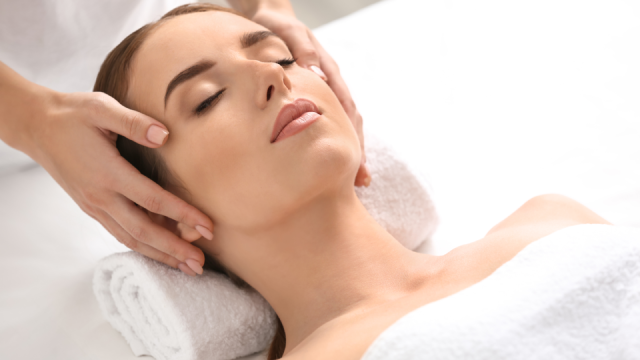
The clinic describes the session as an eye-area treatment using micro-frequency needles, within a sequence of consultation, cleansing and preparation, application of anaesthetic cream, treatment, and aftercare instructions.
Stage
What happens
Timing
Assessment
Eye area, skin quality, laxity, history, medications, expectations
Before treatment
Numbing
Anaesthetic cream
Before the session
Treatment
As described by the clinic
Approximately 20–30 minutes
Recovery
Stated period
1–3 days
Early effects
Redness, swelling, tenderness, sensitivity, bruising
Recovery varies
Maintenance
Stated period
3–4 months
Anaesthetic cream is used, but pressure, prickling, warmth or discomfort may still be felt depending on the device and settings. Possible effects of needle-based skin treatments include temporary redness, swelling, tenderness, bruising, pinpoint bleeding, dryness or irritation; less common risks include infection, pigment changes, scarring and unwanted skin changes.
Before treatment, disclose medications, allergies, bleeding tendencies, prior eye-area procedures, active skin conditions and any history of abnormal scarring, and do not proceed over irritated, infected or injured skin. Afterwards, avoid irritating the treated area, wash the face gently, protect the skin from ultraviolet exposure and replenish moisture.
The clinic lists a recovery period of one to three days; its records do not state a flight interval for this treatment. Because bruising and swelling around the eye are conspicuous and can outlast the stated recovery, confirm travel timing with the clinic rather than booking to the shorter figure. The clinic operates a 24-hour post-treatment feedback system, and English-language aftercare is available through remote follow-up consultation and ongoing channels such as email and messaging once a patient has returned home.
Combining truSculpt iD Eye Area Treatment with Other Treatments
Possible combinations depend on the concern and on the confirmed technology, and the clinic's condition is specific: other treatments around the eyes — lasers, injectables, or additional energy-based procedures — should be considered only after clinician assessment and with appropriate spacing between them. "Appropriate spacing" is the operative phrase; treatments stacked into one trip around the same thin tissue is exactly the pattern that produces avoidable problems.
Alternatives include conventional microneedling, fractional laser resurfacing, selected non-ablative skin-tightening treatments, or a surgical consultation for significant eyelid excess or ptosis. More about the clinic and its team is on the JD Clinic about page.
Safety, Precision, and Clinic Standards
JD Clinic has been registered since 2023 as a Registered Medical Institution for Attracting Foreign Patients, certified by the Ministry of Health and Welfare in compliance with the Medical Overseas Expansion and Foreign Patients Attraction Act. The clinic's business registration number is 530-11-00701.
The clinic's stated quality-control process is individualised medical assessment rather than device-led selection, with treatment that is not needed avoided rather than added. Consultation and treatment are physician-led.
Because the clinic's own records describe a needle-based mechanism for this treatment, the radiofrequency microneedling guidance is the relevant frame, and it is specific. The clinic's records themselves note that radiofrequency microneedling can cause burns, scarring, pigment changes, infection, and in certain reported cases fat loss or nerve injury. The U.S. Food and Drug Administration has issued a safety communication stating that radiofrequency microneedling is a medical procedure rather than a cosmetic treatment and has been associated with reports of serious complications including burns, scarring, fat loss, disfigurement and nerve damage, so it should be performed only by a trained, licensed practitioner. Fat loss around the eye is worth singling out: the periorbital tissue is thin, and a hollow there reads immediately.
The regulator's guidance on suitability names clotting or bleeding disorders, active skin infection, recent isotretinoin use, a history of keloids and pregnancy among contraindications, with darker skin types at particular risk of pigmentary change. And microneedling devices are cleared in the United States for patients aged twenty-two and older to improve the appearance of wrinkles around the eyes and elsewhere on the face, should be performed by a provider with specific training in the technique, and carry risks including bleeding, bruising, pigment change and infection — and devices delivering radiofrequency energy through microneedles carry a different risk profile again.
If the treatment you are offered turns out to be non-needle radiofrequency instead, the applicable frame is the energy-tightening one: the American Society for Dermatologic Surgery notes that non-invasive skin tightening delivers laser, radiofrequency or ultrasound energy as heat into deeper skin layers to stimulate collagen, may be applied to areas including the eyelids, and carries common side effects of swelling, bruising and redness alongside uncommon ones including skin burns, numbness and muscle weakness. Either way, the treatment is a medical one.
English-language support is provided by a dedicated international patient coordinator, Cheon Seung-yeon, Team Manager, on weekdays from 09:30 to 19:00, with Korean and Japanese coordination also available.
The Bottom Line
A short eye-area treatment aimed at mild laxity and fine lines, with results described as possibly subtle.
Anaesthetic cream, twenty to thirty minutes, and a stated one-to-three-day recovery.
Maintenance is stated at three to four months.
The clinic's records describe both a radiofrequency mechanism and a needle-based one — confirm which applies to you.
Bleeding, healing and keloid history matter if the skin is broken, which is why that question comes first.
Frequently Asked Questions
Who is a good candidate for this treatment?
Adults with mild skin laxity or fine lines around the eyes who are seeking a non-surgical treatment and understand that results may be subtle. A qualified clinician should assess the eye area, skin quality and the degree of laxity before confirming suitability.
Who should postpone treatment?
Postpone with irritated, infected or injured skin around the eyes. Disclose eye conditions, recent eye-area procedures, implanted devices, pregnancy, bleeding disorders, impaired healing, a keloid history, immune suppression, and any other relevant medical concern.
How long does it take, and is it painful?
The clinic lists approximately twenty to thirty minutes, with extra time for consultation, preparation and anaesthetic cream. The cream reduces discomfort, but prickling, pressure, warmth or sensitivity may still be felt depending on the device and settings.
What is recovery like?
One to three days, according to the clinic. Temporary redness, swelling, tenderness or sensitivity may occur, and recovery varies between individuals. Avoid irritating the treated area, wash the face gently, protect the skin from the sun and replenish moisture.
How long should I stay in Korea, and when can I fly home?
The clinic lists a one-to-three-day recovery but does not state a flight interval. Because bruising and swelling around the eye are conspicuous and can last longer than the stated recovery, plan on the longer side and confirm your own timing with the clinic.
When will I see results?
The clinic's records do not state a results timeline for this treatment. What they give is a maintenance period of three to four months and a description of the intent — to revitalise and gently lift the eye area. Ask at consultation what improvement is realistic for your own skin.
What should I confirm about the device before treatment?
Whether the treatment uses needles or not. The clinic's records describe both a radiofrequency mechanism and a needle-based one, and the technology field is marked as requiring confirmation. The answer changes the aftercare, the recovery and the list of people who should not have it.
Does JD Clinic publish a price for this treatment?
JD Clinic does not publish treatment prices for this market; a quotation is given after an individual consultation. The area treated and the settings are decided at assessment, so the quotation follows that.
Book a Consultation at JD Clinic
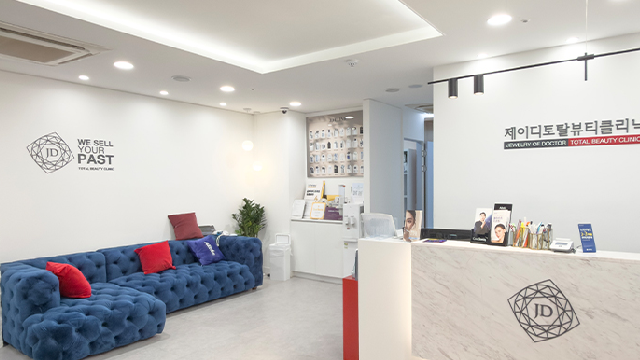
If mild laxity and fine lines around the eyes are the concern, this is one of several options — and a consultation is where the mechanism question above gets a straight answer. JD Clinic is located at B2, 616 Gangnam-daero, Gangnam-gu, Seoul, Republic of Korea, and can be reached on +82-2-523-7581 or through the clinic's contact page. Consultations run Monday to Thursday from 09:30 to 19:00, Friday until 21:00 and Saturday until 16:00, with a lunch break on weekdays from 13:00 to 14:00.
International patients can start with an online enquiry through the JD Clinic contact page, and an English-speaking coordinator will follow up.
Disclaimer
This page is for general information only and is not medical advice, a diagnosis, or a treatment recommendation. Outcomes differ from person to person, and whether any treatment is appropriate for you can only be decided in a consultation with a qualified doctor.
Sources & Further Reading
Potential Risks with Certain Uses of Radiofrequency (RF) Microneedling — FDA Safety Communication — U.S. Food and Drug Administration
Microneedling Devices — U.S. Food and Drug Administration
Microneedling Devices: Getting to the Point on Benefits, Risks and Safety — U.S. Food and Drug Administration
Non-invasive Skin Tightening Treatments — American Society for Dermatologic Surgery
Important Clinical & Safety Notice
Individual results may vary depending on personal health conditions. Potential side effects such as swelling, bruising, or inflammation may occur; please consult thoroughly with your specialist prior to treatment.
CLINICAL STANDARDS
Precision Diagnosis, Direct Specialist Care & Recovery Protocol
1:1 Anatomical Planning
Tailored clinical protocols based on thorough anatomical evaluation and 1:1 specialist consultation.
Certified Safety & Sterilization
Strict aseptic protocols and continuous vital monitoring throughout every stage of your procedure.
Structured Recovery & Follow-Up
Dedicated post-procedure care and scheduled follow-ups for a smooth, confident recovery.
START YOUR CARE JOURNEY
Experience Personalized Medical Excellence at JD Clinic
Book your private consultation today and discover care tailored around you.